Roysambu, Kasarani
Call: +254 723 786161 / +254 735 981098 | ISO 9001:2015


In less than a month, countries are expected to submit their Seventh National Reports under the Convention on Biological Diversity (CBD), underscoring the urgent shift from setting restoration targets to demonstrating measurable progress. This is critical as many countries face challenges in monitoring and reporting ecosystem restoration, particularly in meeting Target 2 of the Kunming–Montreal Global Biodiversity Framework, which calls for the effective restoration of at least 30 per cent of degraded terrestrial, inland water, and marine and coastal ecosystems.
The Subregional Workshop on Biodiversity Monitoring and Reporting held last week from 27 to 30 January 2026 at RCMRD in Nairobi, Kenya, provided an opportunity to share subregional, national and local experiences and challenges in monitoring and reporting on ecosystem restoration in relation to Target 2.
The workshop was organized through RCMRD in its role as a regional technical and scientific cooperation support centre of the UN Convention on Biological Diversity (CBD), marking a practical step in supporting countries as they move from restoration commitments to implementation and reporting.
It was organized in collaboration with the FAO, the CBD Secretariat, Society for Ecological Restoration (SER) and the Center for International Forestry Research and World Agroforestry (CIFOR-ICRAF), and funded by the Government of the United Kingdom through the AIM4NatuRe (Accelerating Innovative Monitoring for Nature Restoration) initiative.
Dr. Emmanuel Nkurunziza, RCMRD’s Director General, highlighted the role of RCMRD: “With its new role as a Subregional Technical and Scientific Cooperation Support Centre, RCMRD is ready to support countries with the data, tools, and coordination needed to deliver on Target 2.”
At the opening session, Kenya’s Cabinet Secretary for Environment, Climate Change and Forestry, Dr. Deborah Mulongo Barasa, stressed the need to turn restoration commitments into measurable results, noting that credible monitoring and reporting are key to tackling biodiversity loss, climate change, and advancing sustainable development.
“Restoration is about giving nature a chance to recover and in doing so, protecting livelihoods, securing water, supporting food production, and building resilience to climate change. But restoring ecosystems is not enough. We also need to be able to explain what we are doing, show what is working, and learn from what is not. The next few years will determine whether restoration commitments become reality or remain promises on paper,” said Dr. Barasa.
Over four days, participants explored how to monitor and report ecosystem restoration under Target 2, from understanding degradation and setting baselines to linking national actions with global commitments. They also had an opportunity to interact with the Framework for Ecosystem Restoration Monitoring (FERM), a monitoring platform for tracking global progress and disseminating good practices for the UN Decade on Ecosystem Restoration.
Country representatives shared lessons from various initiatives including African Forest Landscape Restoration Initiative (AFR100) and Land Degradation Neutrality (LDN), illustrating how restoration data are being applied in practice, while also highlighting persisting gaps. The workshop also included three breakout sessions which tackled challenges in data collection, validation, and sharing, emphasizing on coordination and collaboration across institutions, sectors, and governance levels.
Participants had an opportunity to visit the CIFOR-ICRAF campus where they had hands-on sessions in various laboratories including tree seedling laboratory, soil and land health laboratory and the Spatial Analysis Laboratory.
The team also visited the Karura forest, second-largest city forest globally (after Rio’s Tijuca), covering approximately1,041 hectares. It is among the most successful urban restoration landscapes. The visit showcased restoration planning, nursery and indigenous seed systems, invasive species removal, restoration plots and monitoring approaches in an urban forest.
The meeting brought together representatives from Comoros, Eswatini, Ethiopia, Kenya, Madagascar, Rwanda, Somalia, South Sudan, Uganda, the United Republic of Tanzania, and Zambia, alongside international partners, regional technical support centres including Central African Forest Commission (COMIFAC), Ecological Monitoring Centre (CSE), Sahara and Sahel Observatory (OSS) and South African National Biodiversity Institute (SANBI) and representatives from the major groups including women, youth and indigenous people.
Lessons and outcomes from this workshops will inform part of the global policy discussions, including the Sixth meeting of the Subsidiary Body on Implementation of the Convention on Biological Diversity, to be held later this month at FAO headquarters in Rome.
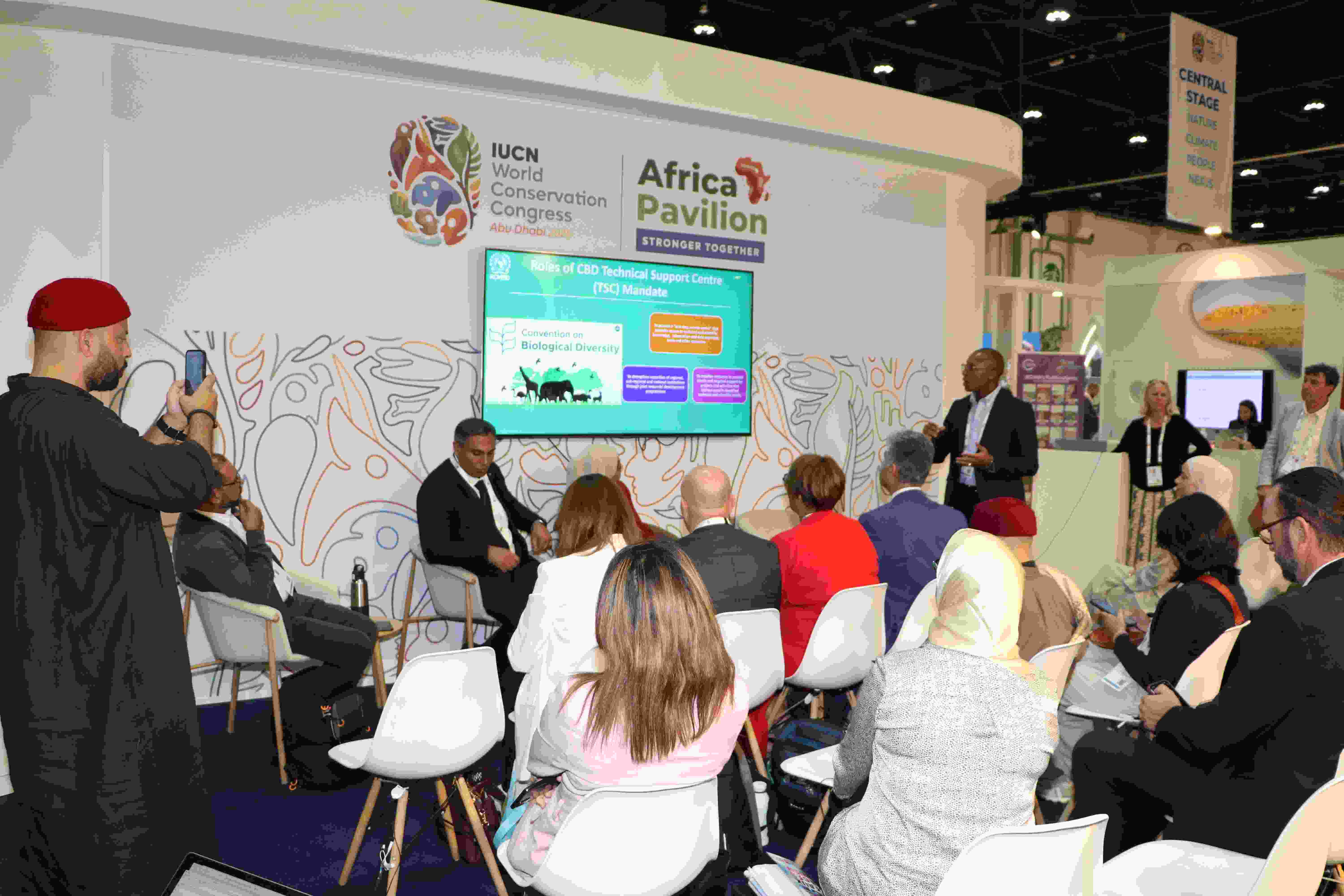
RCMRD Showcases at the IUCN World Conservation Congress 2025 in Abu Dhabi
By Abigael Sum| Oct, 2025
The Regional Centre for Mapping of Resources for Development (RCMRD) proudly participated in the IUCN World Conservation Congress 2025, held in Abu Dhabi, United Arab Emirates (UAE). The IUCN World Conservation Congress is one of the world’s most influential platforms shaping the global conservation and sustainable development agenda.
With only five years remaining to meet the targets of the Paris Agreement, the Sustainable Development Goals, and the Global Biodiversity Framework, this year’s Congress called for bold, collective action to accelerate progress for both nature and people.
Representing its role as one of Africa’s Technical and Scientific Cooperation Support Centres (TSCs) under the Convention on Biological Diversity, RCMRD showcased its expertise and impact in biodiversity data, ecosystem management, and capacity building across Eastern and Southern Africa. At the IUCN Africa Pavilion, RCMRD presented its mandate, key activities, and partnerships supporting 11 countries, highlighting the integration of spatial data in ecosystem monitoring and policy development.
RCMRD co-hosted an exhibition booth alongside CIFOR-ICRAF, the Centre de Suivi Ecologique (CSE), and the Observatoire des Forêts d’Afrique Centrale (OFAC) to showcase activities under the Africa Regional Centres of Excellence (ArcX) Programme. The programme aims to serve as a leading reference point for up-to-date information that informs policy decisions on forestry and biodiversity, while advancing both regional and global conservation agendas.
The booth drew significant interest from conservation leaders, researchers, and policymakers keen to learn more about RCMRD’s innovative tools, particularly the RCoE-ESA Map Book and Geoportal, which provide valuable spatial insights to support evidence-based decision-making in ecosystem management.
During the Congress, RCMRD also engaged in bilateral meetings with UNEP-WCMC and Madagascar’s Ministry of Environment to discuss updates to the World Database on Protected Areas, reinforcing its pivotal role in supporting accurate, up-to-date conservation data.
The event, held once every four years, featured dynamic sessions on topics such as Geospatial AI, ecosystem typologies, protected area governance, and storytelling for conservation, underscoring the importance of bridging science and emotion in environmental communication.
RCMRD also took part in the unveiling of the Atlas of African Protected Areas, a flagship publication developed by the European Commission’s Joint Research Centre (JRC) in collaboration with RCMRD and other partners. The Atlas provides invaluable geospatial insights and analyses to guide policymakers and conservation practitioners across Africa.
Among the key announcements at the congress, Panama was confirmed as host of the next IUCN World Protected and Conserved Areas Congress (2027), while IUCN introduced the RHINO framework to accelerate nature-positive outcomes globally.
RCMRD’s participation reaffirmed its commitment to advancing data-driven conservation and strengthening partnerships that empower African countries to achieve their biodiversity goals through science, innovation, and collaboration.
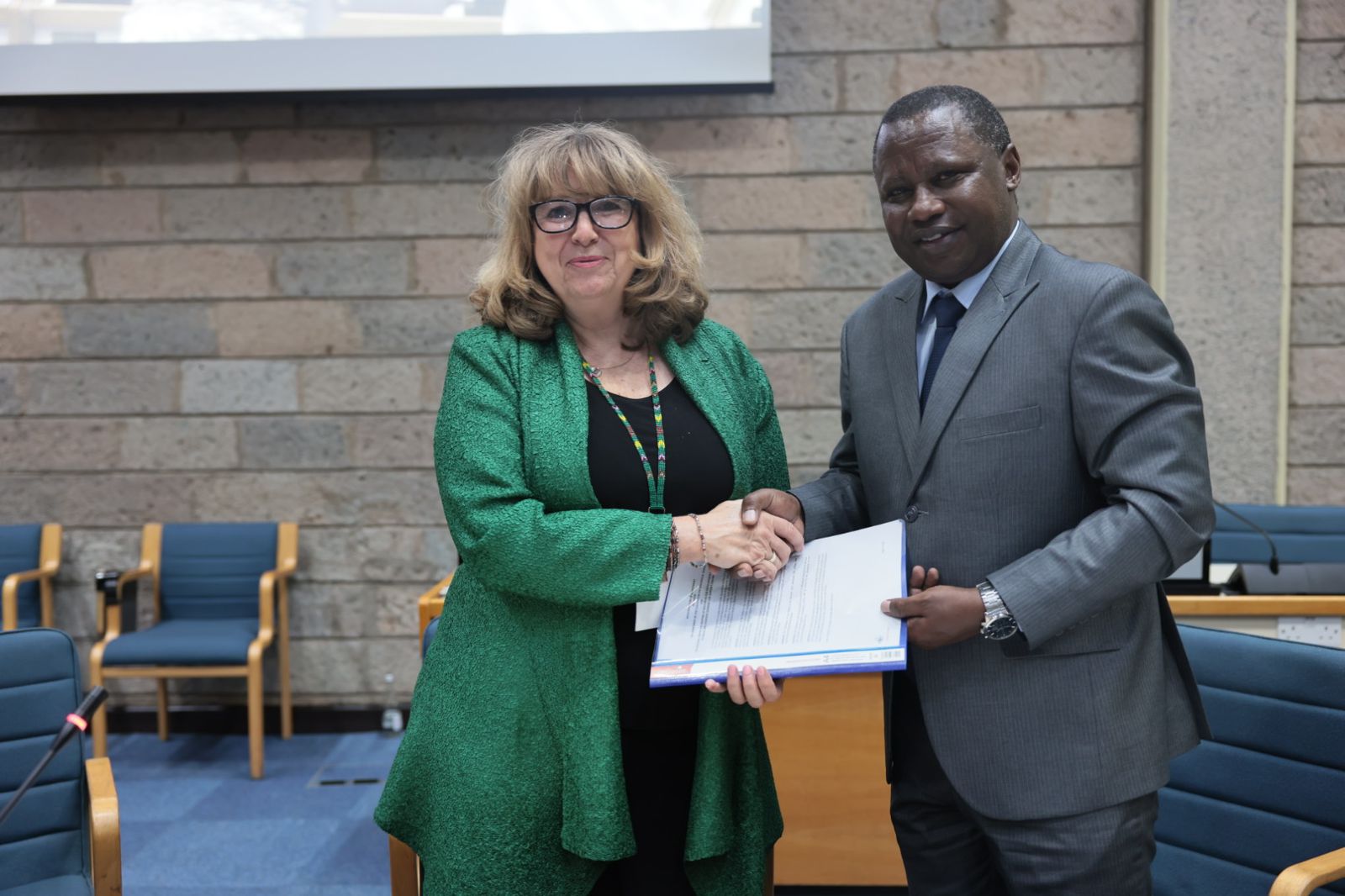
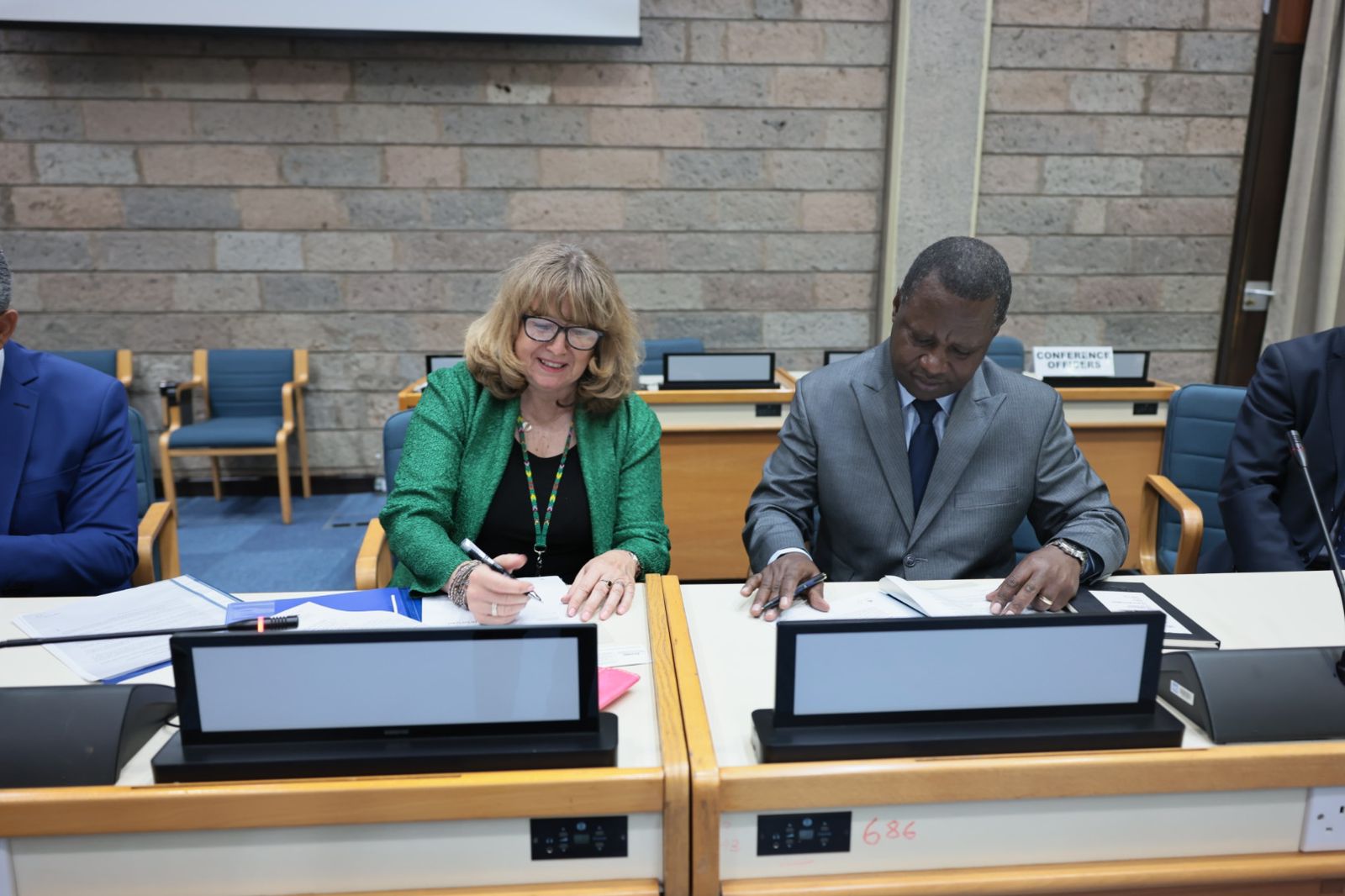
The Regional Centre for Mapping of Resources for Development (RCMRD) has been officially designated as a Technical and Scientific Cooperation Support Centre (TSC) under the Convention on Biological Diversity (CBD).
This milestone was marked by the signing of a host agreement between RCMRD and the CBD Secretariat during the 20th session of the African Ministerial Conference on the Environment (AMCEN), held on July 18, 2025.
This designation places RCMRD at the heart of regional efforts to implement the Kunming-Montreal Global Biodiversity Framework (GBF), specifically supporting Eastern and Southern African countries in their biodiversity conservation goals.
The designation of RCMRD as a TSC signifies international recognition of the Centre’s role in:
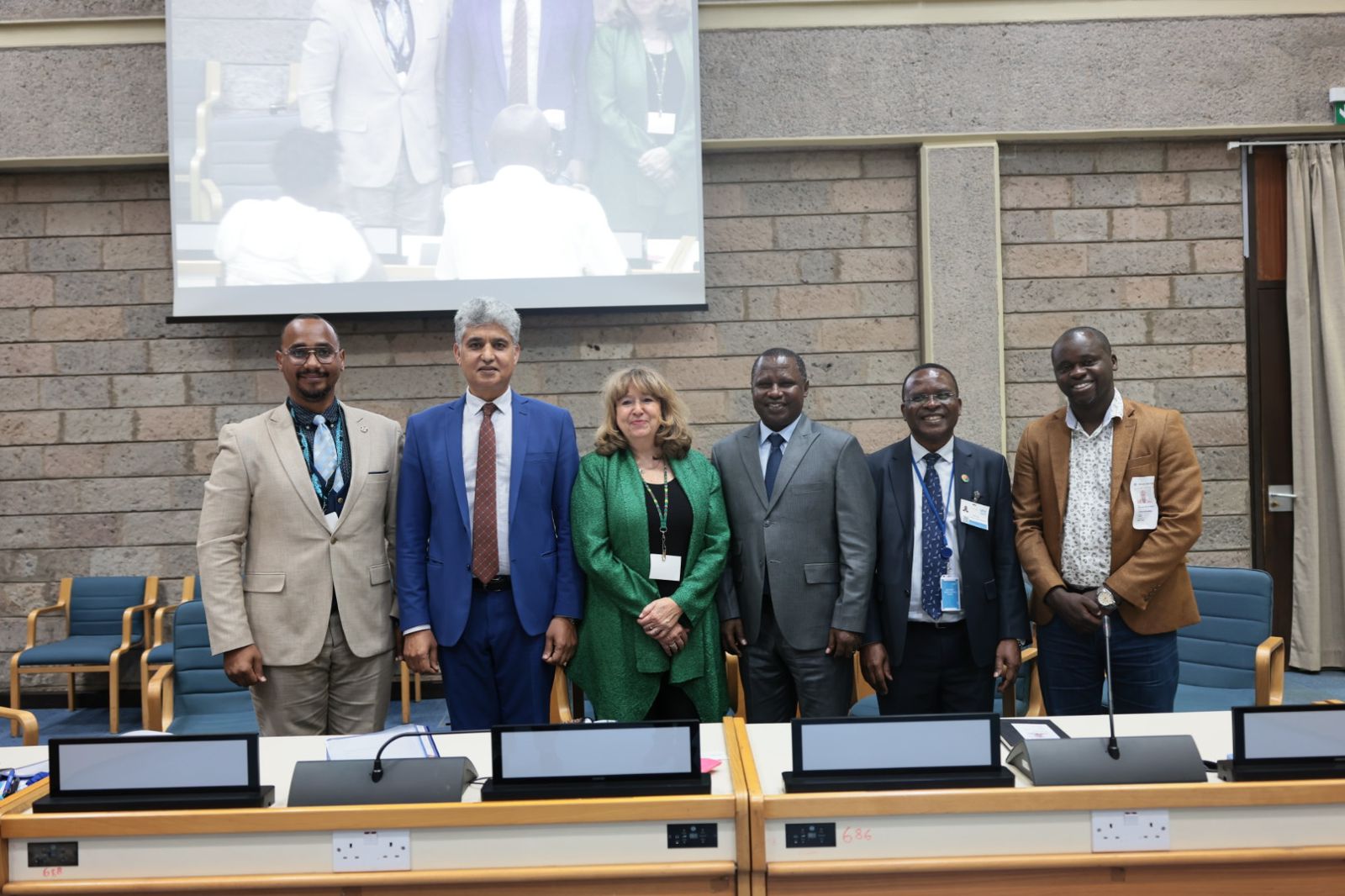
RCMRD joins a network of 18 TSCs globally, including five in Africa: OSS, COMIFAC, CSE, SANSI, and now RCMRD. This network demonstrates growing momentum for South-South cooperation, fostering regional innovation and partnerships grounded in shared challenges and opportunities.
This means that as a newly designated TSC, RCMRD will serve as a regional hub for technical and scientific support in biodiversity and ecosystem management. This means:
RCMRD will also play a proactive role in facilitating knowledge exchange across African countries, contributing to the co-development of tools, regional assessments, and community engagement models aligned with the KMGBF. The countries that are covered by our sub regional TSC support centres in Africa. They include: Comoros, Eswatini, Ethiopia, Kenya, Madagascar, Rwanda, Somalia, South Sudan, Tanzania, Uganda, and Zambia.
“This designation reaffirms our commitment to supporting African countries with the technical capacity they need to meet global biodiversity targets. We are honoured to join this network of Centres working to safeguard nature through data, science, and collaboration,” said Dr. Emmanuel Nkurunziza, Director General, RCMRD.
RCMRD’s designation comes at a time of renewed urgency and opportunity for biodiversity action. As nations align their policies and strategies with the KMGBF, institutions like RCMRD will be instrumental in translating global ambitions into regional and national progress.
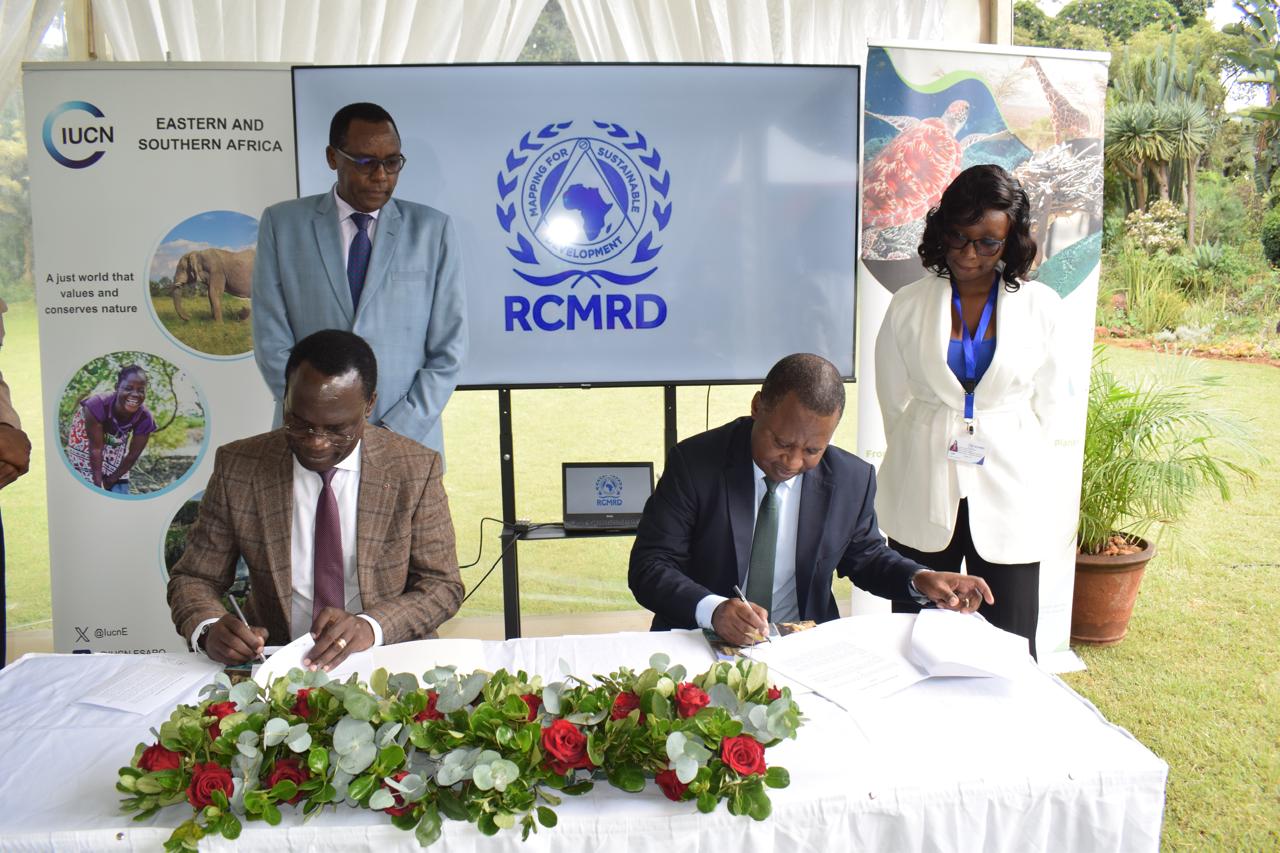
The Regional Centre for Mapping of Resources for Development (RCMRD) has renewed its Memorandum of Understanding (MoU) with the International Union for Conservation of Nature (IUCN), reinforcing a long-standing partnership committed to advancing sustainable natural resource management in the region.
The MoU was officially signed at the IUCN offices in Nairobi. It brings together IUCN’s globally recognized expertise in conservation with RCMRD’s geospatial and technical capabilities. This collaboration aims to strengthen data-driven decision-making, promote regional cooperation, and support policy development aligned with the Kunming-Montreal Global Biodiversity Framework (GBF).
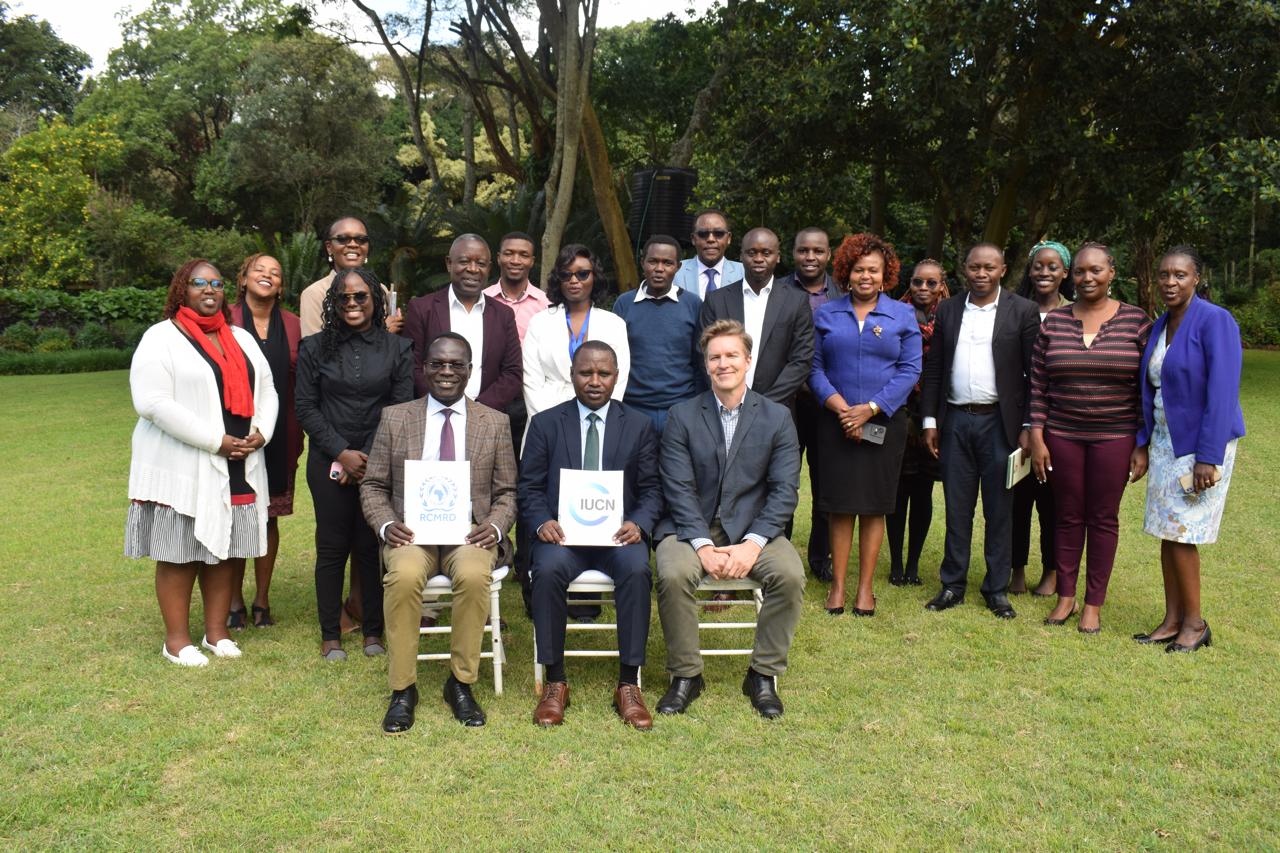
RCMRD’s recent designation as a Technical and Scientific Support Centre under the Convention on Biological Diversity (CBD) further underscores the importance of this partnership. Through joint efforts, RCMRD and IUCN will:
· Provide technical support to Member States in Eastern and Southern Africa;
· Enhance national capacities to integrate biodiversity data into policy and planning;
· Promote regional knowledge sharing and collaboration; and
· Support evidence-based, inclusive approaches to environmental governance.
Speaking during the signing, leaders from both institutions reaffirmed their commitment to advancing biodiversity conservation and sustainable development in the region. The renewed MoU represents a significant step toward ensuring that governments and stakeholders have access to reliable data, innovative tools, and collaborative platforms necessary to achieve biodiversity targets.
Together, RCMRD and IUCN are building a stronger foundation for sustainable natural resource management and inclusive governance, ensuring that regional priorities are aligned with global biodiversity goals.
