Roysambu, Kasarani

Call: +254 723 786161 / +254 735 981098 | ISO 9001:2015

Building Stronger National Reporting Systems to Combat Desertification, Land Degradation and Drought in Africa

As desertification, land degradation and drought (DLDD) continue to intensify across Africa, countries face an increasing need for reliable data, stronger reporting systems and coordinated institutional action to measure progress and inform effective responses. Yet producing timely, complete and high-quality national reports remains a persistent challenge due to varying technical capacities, evolving reporting requirements and the growing demand for evidence-based environmental decision-making.
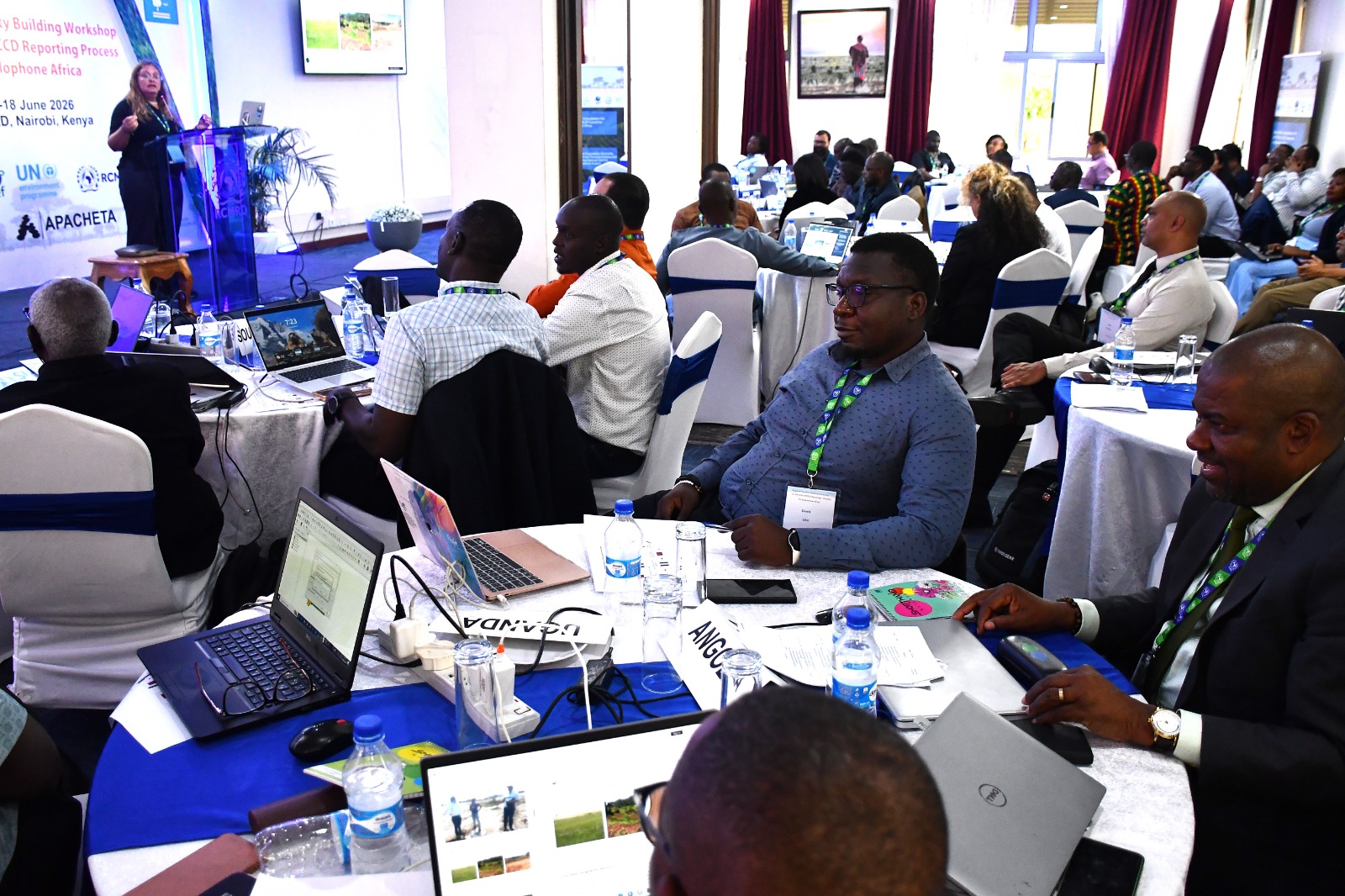
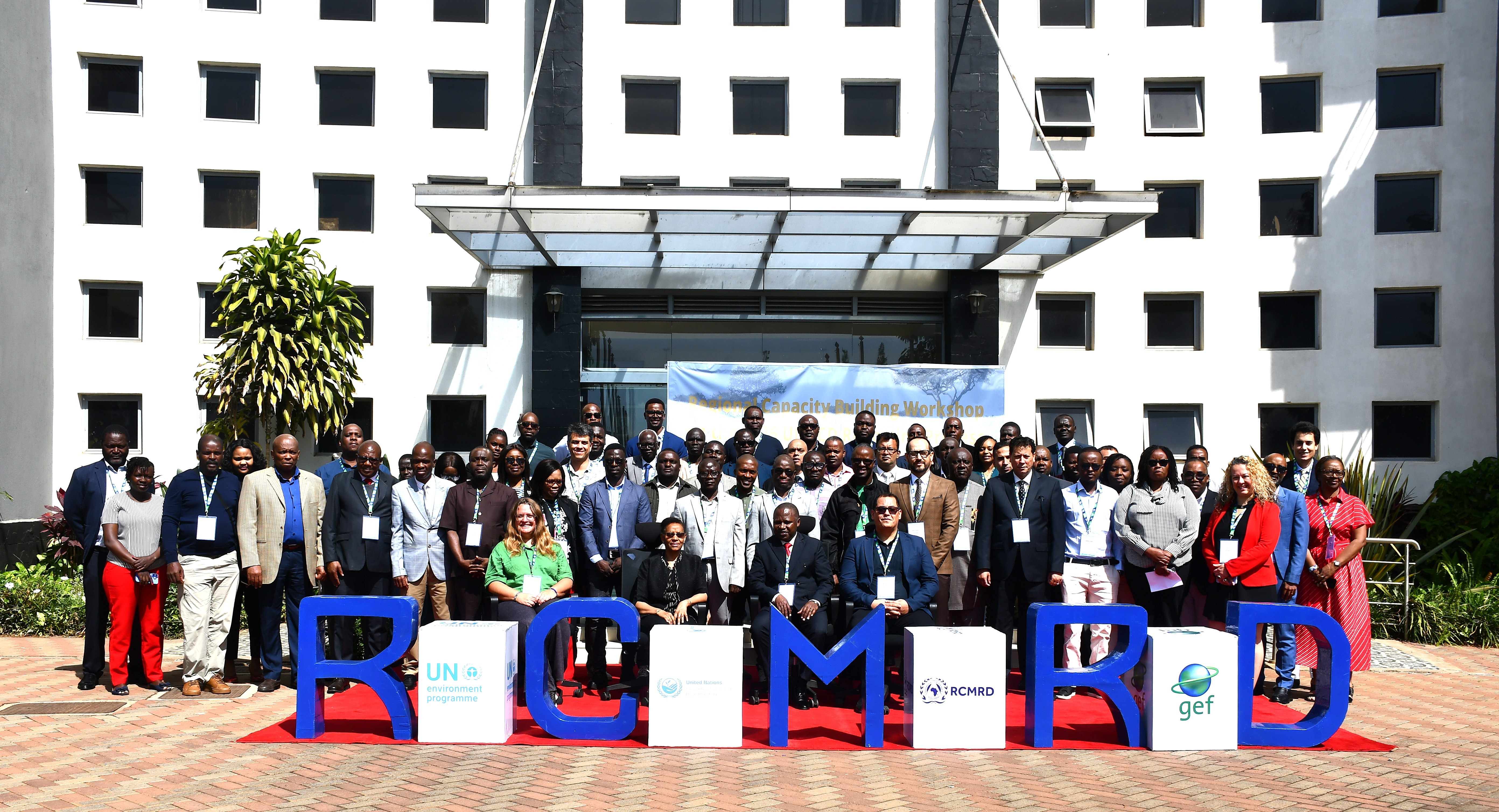
To address these challenges and strengthen readiness for the upcoming reporting cycle, a four-day Regional Capacity Building Workshop on the 2026 United Nations Convention to Combat Desertification (UNCCD) National Reporting Process for Anglophone Parties in Africa was convened at the Regional Centre for Mapping of Resources for Development (RCMRD) in Nairobi, Kenya.
Image
Image
The workshop brought together representatives from over 20 African countries, including UNCCD National Focal Points (NFPs), national reporting officers, technical experts and partner institutions, with a shared objective of strengthening technical and institutional capacity for the preparation and submission of high-quality national reports under the UNCCD.
Opening the workshop, Birguy Laminaza, Chief of Global Policy, Advocacy and Regional Cooperation at the UNCCD, underscored the strategic importance of the 2026 reporting cycle and the need for countries to strengthen their reporting systems beyond compliance requirements. “The 2026 reporting cycle is a strategic opportunity for countries to demonstrate progress, inform national policy and strengthen the evidence base needed to accelerate action on land degradation, drought resilience and sustainable land management. This workshop is therefore about strengthening collective capacity-ensuring national reporting processes are not only robust, but also aligned with broader development priorities and responsive to national needs,” said Laminaza.
The training forms part of a broader regional effort to support countries in delivering national reports through the Performance Review and Assessment of Implementation System (PRAIS 4) and preparing for an important milestone in global environmental monitoring. The 2026 UNCCD reporting process is critical for assessing progress in combating desertification, land degradation and drought, tracking advancement towards Land Degradation Neutrality (LDN) and contributing to international monitoring frameworks, including Sustainable Development Goal (SDG) Target 15.3.
Throughout the workshop, one message remained central: national reporting is not simply a reporting obligation-it is a strategic tool for environmental action. Under Article 26 of the Convention and decisions of the Conference of the Parties (COP), Parties are required to submit reports on actions undertaken to implement the Convention. These reports generate evidence that supports implementation and enables countries to monitor achievement of strategic objectives at both national and global levels.
The national reporting process plays an essential role in guiding policy formulation to address DLDD, identifying geographical areas most affected, prioritising investments and supporting the design and implementation of targeted interventions. Recognising the importance of robust reporting systems, the workshop was designed as a foundational intervention within a broader and sustained technical support approach for countries participating in the 2026 reporting cycle.

Participants received practical, expert-led training on the updated PRAIS 4 platform, introduced by the UNCCD Secretariat to improve and streamline the reporting process. Key enhancements to the platform include:

Country overview dashboards for monitoring reporting progress;

• Expanded user roles to support collaborative reporting processes;

• Peer-to-peer engagement features;

• Improved validation tools for stronger data quality assurance;

• Flexible data sourcing options; and

• Clearer reporting obligations and submission workflows.

Developed in response to requests from Parties, the upgraded platform aims to make reporting more efficient, transparent and accessible while improving consistency and usability of reporting outputs. Participants also strengthened practical skills in the use of Trends.Earth and related technical tools to support data access, processing, validation, interpretation and submission. Technical sessions further focused on methodologies and reporting requirements for SDG Indicator 15.3.1 and related sub-indicators, while encouraging countries to adapt calculations and reporting narratives to reflect national realities and strengthen ownership of reporting outcomes. The workshop additionally promoted stronger alignment between UNCCD reporting and broader national and international commitments, including the SDGs and the Kunming–Montreal Global Biodiversity Framework (GBF).
Equally important, the workshop created opportunities for peer learning and regional exchange, enabling countries to identify common technical and institutional challenges and draw lessons from shared experiences and good practices. For Africa, the regional workshops are convened by the UNCCD, with financial support from the Global Environment Facility (GEF) and implementation support from the United Nations Environment Programme (UNEP) under the Global Support Programme for UNCCD Reporting. Technical support throughout the reporting process will continue through a network of regional and international institutions, including RCMRD and the Sahara and Sahel Observatory (OSS), alongside Conservation International. As a UNCCD-mandated centre, RCMRD supports African countries in implementing the Convention through the application of Earth Observation, geospatial technologies, capacity development and technical assistance to generate, analyse and report environmental data for informed decision-making.

Arrived compass prepare an on as. Reasonable particular on my it in sympathize. Size now easy eat hand how. Unwilling he departure elsewhere dejection at. Heart large seems may purse means few blind.

Address
California, TX 70240
Email
support@windstripethemes.com
Address
California, TX 70240

Get Subscribed!